
No products in the cart.
Advocacy, Filipino Community Kuwait, Health, Kuwait, Kuwait Events, Mental Health Awareness, OFW Advocacy, Philippines
This Powerful Life-Changing Program Gives Workers Hope in Kuwait
Mental health awareness continues to grow in importance across workplaces worldwide, and in Kuwait, one recent event stood out as a meaningful step toward worker empowerment and emotional well-being. Hosted by the Kuwait Trade Union Federation (KTUF) in collaboration with the Filipino Psychology Organization (FiPOK), the Psycho-Social Awareness Program brought together mental health advocates, professionals, and members of the expatriate community for a day of learning, reflection, and support.
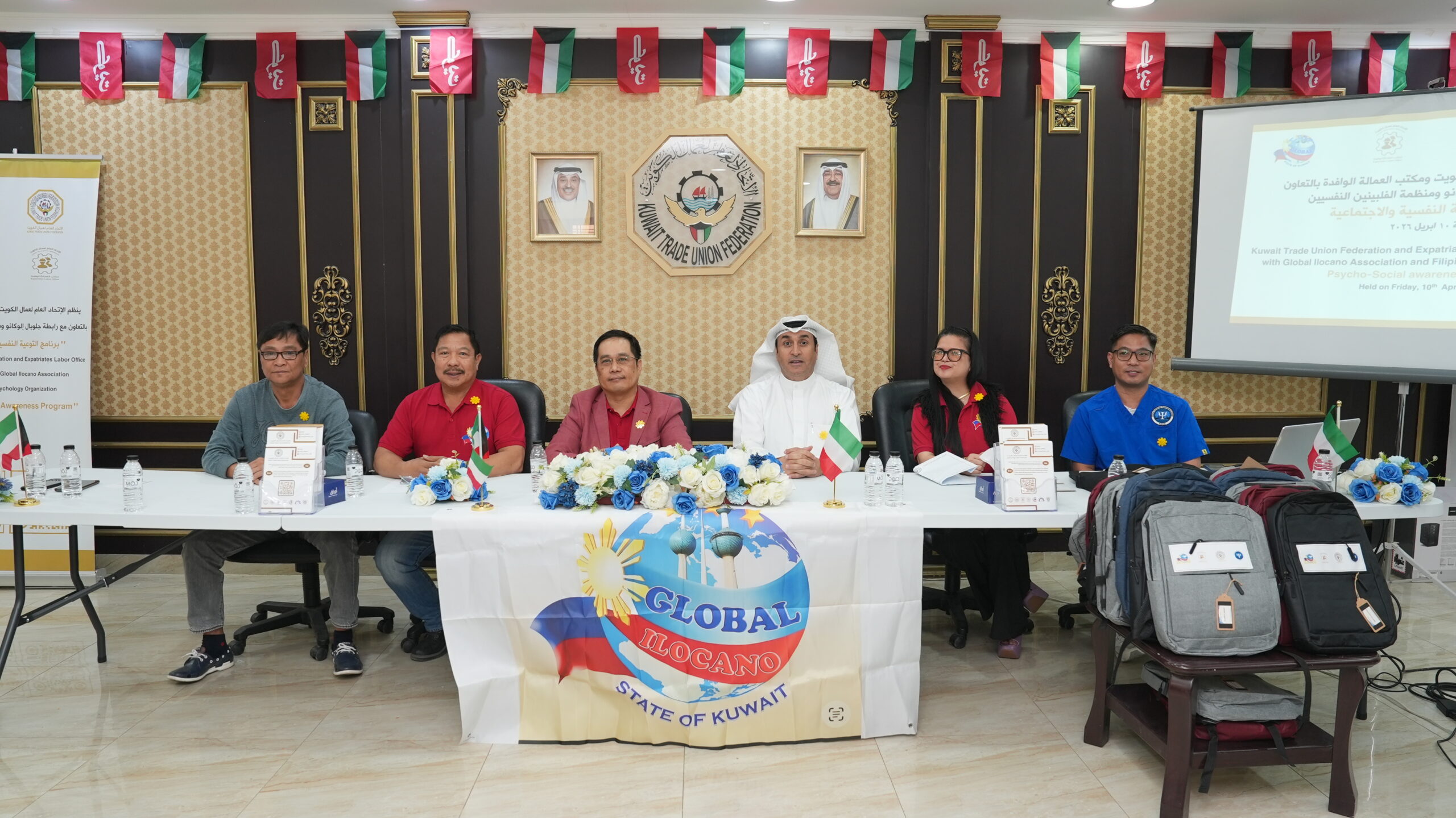
Held on April 10, 2026, at the Global Ilocano Headquarters in Kuwait City, the program focused on raising awareness about the emotional and psychological challenges faced by workers, particularly those living and working abroad. With over 40 participants in attendance, the event created a space where mental health could be discussed openly, practically, and compassionately.
A Meaningful Initiative for the Expatriate Community
Kuwait is home to a large expatriate workforce, many of whom manage demanding schedules, separation from family, and the pressures of adapting to life in a foreign environment. Programs like this play a vital role in helping workers better understand the importance of mental and emotional well-being, while also equipping them with tools to cope with stress and daily challenges.
Rather than simply presenting information, the event fostered a sense of solidarity among attendees. It reflected a growing recognition that worker welfare goes beyond physical safety and financial security—it also includes emotional resilience, psychological support, and access to community-based care.
Opening the Day with a Message of Unity and Support
The event began with a warm and encouraging opening ceremony that set the tone for the entire program. Engr. Jonathan Po, Chairman of Global Ilocano, welcomed participants and emphasized the value of initiatives that strengthen worker well-being and community connection.
This was followed by remarks from Mr. Mohammed Abdullah Al-Arada, Advisor to KTUF and Head of the Expatriate Labor Office. His message highlighted the practical importance of psycho-social support, especially for workers facing the everyday pressures of life abroad. His presence reinforced the significance of the program not only as an educational activity, but also as an advocacy effort for healthier and more supportive workplaces.
Expert Voices Leading the Conversation
A major strength of the program was its roster of speakers from FiPOK, each contributing valuable insights from the field of psychology and community engagement.
Lizel L. Subialdea, President of FiPOK, spoke about the importance of collective responsibility in promoting mental health awareness. Her discussion underscored the idea that emotional well-being is not only a personal concern, but a community concern.
Analyn V. Albakit, Public Relations Officer of FiPOK, shared practical approaches to stress management and self-care, offering attendees realistic strategies they could apply in their everyday routines.
Edmundo O. Sabado, FiPOK Secretary, and Maryrose M. Morales, FiPOK Treasurer, led sessions that encouraged reflection and active participation. Their discussions helped translate mental health concepts into practical daily habits, making the learning experience both accessible and actionable.
Practical Sessions That Empowered Participants
One of the most impactful aspects of the event was its hands-on approach. The Psycho-Social Awareness Program was not limited to lectures; it also gave participants concrete tools they could use in real life.
Stress Management and Grounding Exercises
Attendees were guided through grounding techniques and mindfulness-based activities designed to help reduce stress and improve emotional regulation. These simple but effective exercises offered immediate takeaways for workers dealing with pressure, anxiety, or fatigue.
Go Bag Orientation and Distribution
Another significant part of the program was the explanation and distribution of the Go Bag. Participants learned the importance of keeping essential items ready during emergencies, not only for physical preparedness but also for psychological reassurance. This segment connected personal readiness with peace of mind, showing how preparedness can reduce anxiety in uncertain situations.
Recognizing Commitment and Contribution
At the conclusion of the program, participants received certificates of participation, marking their engagement in an initiative centered on mental health education and worker support. The event also included a Plaque of Appreciation ceremony, presented by Mr. Mohammed Abdullah Al-Arada, in recognition of the trainers, speakers, and organizers whose efforts made the event possible.
This closing segment added a meaningful note of gratitude and recognition, emphasizing that advocacy work thrives through collaboration, dedication, and shared purpose.
A Lasting Impact Beyond the Event
The significance of the Psycho-Social Awareness Program extends beyond a single day of activities. More than an event, it served as a reminder that mental health support is essential in building resilient workers and stronger communities.
Participants left not only with new knowledge, but with a greater sense of connection and encouragement. The event helped normalize conversations around stress, emotional well-being, and support systems—issues that are especially relevant for expatriates balancing work demands and personal responsibilities abroad.
The reflections shared by attendees further illustrated this impact. Many expressed appreciation for the practical stress management techniques introduced during the sessions, while others highlighted the importance of preparedness and the value of feeling seen and supported within their community.
The Power of Community Partnership
The success of the program was made possible through the collaboration of KTUF, FiPOK, Global Ilocano Officers, and dedicated trainers and organizers. Their joint effort demonstrated how partnerships can create meaningful community-based initiatives that address real and urgent needs.
From planning and logistics to program delivery, the event reflected what can happen when organizations come together with a shared commitment to worker welfare and mental health advocacy.
Looking Ahead
As conversations around workplace well-being continue to evolve, initiatives like the Psycho-Social Awareness Program point toward a more supportive future for workers in Kuwait. The positive response to this event suggests that there is both a need and a strong community interest in continuing similar programs.
With more awareness campaigns, partnerships, and educational events on the horizon, KTUF and FiPOK are helping pave the way for more informed, resilient, and empowered communities.
Final Thoughts
The Psycho-Social Awareness Program in Kuwait was a meaningful example of how education, empathy, and collaboration can come together to support worker well-being. By addressing mental health in a practical and community-centered way, the event encouraged participants to build resilience, care for themselves, and support others.
Peace and love to you.