
No products in the cart.
Financial
7 Proven Ways to Secure OFW Retirement From Inflation
Prepare Your Finances, Protect Your Assets, and Return Home with Peace of Mind
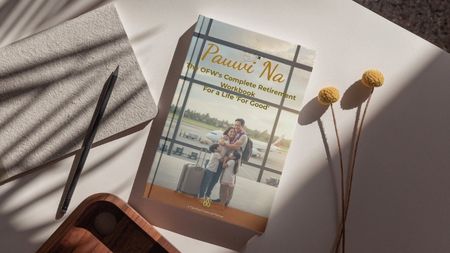
For most Overseas Filipino Workers, the phrase “pauwi na” is more than just going home for vacation. The phrase means returning to the Philippines for good after years of sacrifice, hard work, and being away from family.
But permanently going home is not as simple as booking a flight. Before you can say that it is your last contract, you need to ask yourself:
- Do I have enough savings?
- Where are my important documents?
- Who knows about my bank accounts?
- What happens if I get sick?
- How will I spend my days when I am no longer working abroad?
This is why you, as an OFW, need a written retirement plan. The Pauwi Na Workbook can help you manage your money, documents, accounts, family instructions, and daily plans in a single workbook. This will be your guide for coming home prepared.
Here are 7 steps every OFW should take before going home for good.
Step 1: List What You Own and Owe
Before you pack your bags, you must know your real financial situation. List down everything you own, such as your savings, property, investments, insurance, business income, and other assets. Then list what you owe, including loans, credit cards, mortgages, unpaid bills, and family obligations.
Just because you have savings does not mean you are ready to retire. It is necessary for you to check on your debts and monthly expenses, as money can disappear quickly. The Pauwi Na Workbook will help you get a complete picture of your financial status, so you can decide whether you are truly prepared to retire from working abroad. Once you know your exact financial numbers, you must secure the paperwork that proves your ownership.
Step 2: Organize Your Important Documents
Having your important documents stored in different locations can lead to their loss. Before going home, gather your passport, IDs, work contracts, bank records, property titles, insurance policies, pension papers, medical records, and legal documents.
You need to note where each of your documents is kept and who can access them in an emergency. When everything is organized, you can protect your family from confusion and ensure they know where to find what they need. Beyond physical documents, you must also secure your digital and international assets.
Step 3: Track Your Bank Accounts and Financial Contacts
Many OFWs keep their money in different banks, apps, and countries. Some are in the Philippines, others are abroad, and some are also in their insurance, investments, or remittance accounts.
If these details are not written down, your family may not know what exists or who to contact. The Pauwi Na Workbook helps you keep track of your bank accounts, insurance policies, investment details, and advisor contacts. No need to write passwords; recording necessary information is enough for your family to know where to look and who to call. After recording where your money is, you need to determine who will ultimately manage or receive it.
Step 4: Name Who Inherits Your Things
Inheritance might not sound as important, but it is a way to protect your family. Unwritten wishes may lead your loved ones to argue about savings, property, jewelry, business assets, or personal belongings.
This step encourages you to write who should receive specific items or responsibilities. You may need legal advice for property, large savings, or complicated family arrangements. Having clear instructions prevents family conflict and protects the people you worked so hard for. Securing your physical assets directly leads to clear decisions about your physical health.
Step 5: Write Down Your Medical and Funeral Choices
This may feel uncomfortable, but it is an act of love. Your family may need to make difficult decisions if something happens to you. Having these written instructions will prevent them from being confused or guilty.
List down your medical preferences, emergency contacts, health information, insurance details, preferred hospital, and funeral wishes. The Pauwi Na Workbook provides a clear space to record these choices so your family does not have to guess during stressful times. Handling these difficult medical choices gives you the freedom to focus on how you will spend your actual retirement days.
Step 6: Plan Your Daily Routine After Coming Home
Retirement planning is not just about the money; it is also about how you will live each day. Your routine will change after retiring; you may feel bored, restless, or unsure of your purpose.
Envision how you want to spend your time. Will you help with a family business, take care of grandchildren, exercise, travel, join community activities, or start a small project? The workbook guides your planning for daily routine, hobbies, responsibilities, and goals so you can enjoy your life back home. A solid daily routine and financial plan will only succeed if you keep the information accurate over the years.
Step 7: Review and Update Your Plan
Plans change, and they should not be written once and forgotten. Your savings, accounts, documents, health, family situation, and goals may change over time.
Annual workbook review is a must. Review every few months if you are close to going home. Update your numbers, contacts, and instructions when something changes. Also, inform your trusted family member of your workbook’s whereabouts. Keeping your information current ensures your transition home remains entirely under your control.
Start Your Pauwi Na Plan Today
Going home for good is not only about buying a plane ticket. It is about protecting your money, guiding your family, and preparing for a peaceful life after years of working abroad.
The Pauwi Na Workbook helps you take these steps one page at a time. You do not need to finish everything in one day. Start with one section, write what you know, and update it as you go.
Get your copy of the Pauwi Na Workbook today and start building your written plan for coming home prepared.
RESOURCES DIRECTORY
The Official Stock Market Resources Directory for 2026
If you like reading this, please like and share my page, DIARYNIGRACIA PAGE. If you have questions or suggestions, send them to diarynigracia (@) gmail dot com. You may also follow my Instagram account featuring microliterature, visit DIARYNIGRACIA INSTAGRAM.
READ MORE AND SHARE!
OFWs Can Now Invest in the Philippine Stock Market for as Low as 1000 pesos
Compilation of Blogs to Get Started with Beginner Stocks
Ultimate Guide to Stock Market
TSOK Chronicles: Unleashing Passion, Dedication, and Excellence in 2024
Investments and Finance Ultimate Guide
Shop By DiaryNiGracia
READ MORE ABOUT TSOK!
TSOK 2024 Officers: An Inspiring Congratulatory and Heartfelt Letter of Thanks
TSOK Commemorative Magazine: 9 Powerful Steps In Its Creation
The Remarkable Success Of TSOK’s Decade Anniversary Event – 5 Highlights You Might Have Missed
TSOK Commemorative Magazine: Proudly Celebrating 10 Years of Memorable Achievements
AUTHOR
Ms. Gracia Amor, also known as the blogger of Diary Ni Gracia, is a dedicated OFW advocate, blogger, and author with a passion for serving and empowering Overseas Filipino Workers (OFWs) through advocacy, education, and financial literacy. With degrees in accounting, education, and business, she has spearheaded various initiatives and established Diarynigracia.com, a comprehensive resource for OFWs globally. Ms. Gracia Amor’s commitment to service has earned multiple awards and certifications. She continues to inspire individuals with her expertise and passion for making a difference in the lives of OFWs and other people.
Peace and love to you.