
No products in the cart.
Uncategorized
Complete Guide on What to Pack in an Emergency Go Bag for OFWs in the Middle East
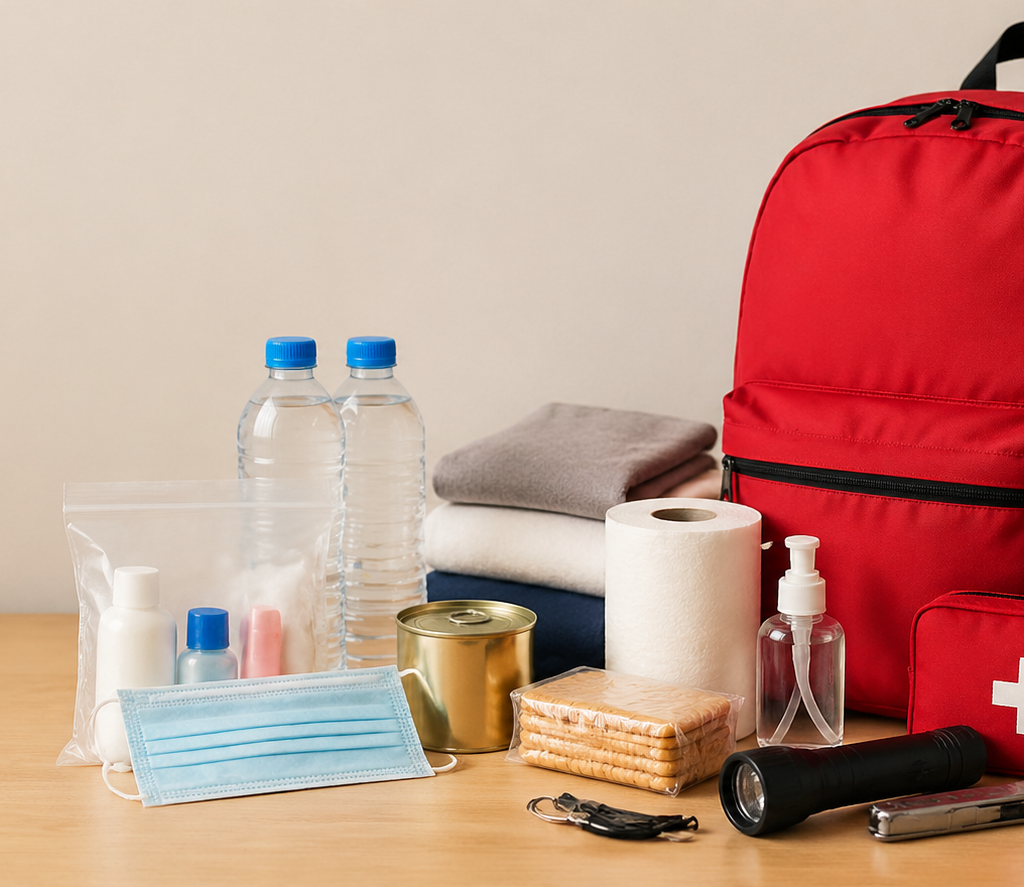
As an Overseas Filipino Worker (OFW) in the Middle East, being prepared for any emergency situation is essential. Whether it’s due to natural disasters, evacuation orders, or unforeseen job complications, having an emergency go-bag ready ensures your safety and well-being. In fact, being prepared for an emergency can make a big difference in how quickly you can respond and how safe you feel during uncertain times.
In this guide, we’ll walk you through everything you need to pack in your emergency go-bag, from important documents to food and water, to ensure that you’re ready for any situation. Whether you’re dealing with an evacuation, a job issue, or a natural disaster, this guide will help you stay organized and prepared.
1. Important Documents
When preparing for an emergency, your documents are your most valuable asset. They’ll ensure that you can identify yourself, prove your status, and access important services and support in a crisis. Make sure that all essential documents are in one place and easy to access.
- Passport (Very Important): Your passport is the most important document you’ll need in an emergency. It proves your identity and is required for travel. Ensure your passport is valid and up-to-date.
- Residence Permit / Iqama / CID: These documents allow you to stay and work legally in the Middle East. Losing them can create a lot of issues, so keep them secure.
- Work Visa Copy: Always carry a copy of your work visa to prove your employment status. It will also help in case you need to contact your employer or embassy.
- Employment Contract: This document protects your rights as an employee. It’s vital to have it with you in case of disputes or other work-related issues.
- Plane Ticket / Travel Documents: If you need to evacuate or return home quickly, having your ticket and other travel documents (like hotel reservations) on hand is crucial.
- Photocopies of All Documents: Keep multiple copies of your important documents. It’s advisable to have both physical copies and digital versions stored securely.
- Passport-Size Photos: These can be used for various forms or identification purposes during emergencies.
- Philippine Embassy Contact Details: Knowing how to reach your embassy is critical in any emergency. Include their contact number, address, and any other important details.
2. Money & Financial Essentials
During an emergency, you’ll need access to financial resources. Whether it’s to pay for emergency accommodation, transportation, or food, make sure you have enough cash and access to financial services.
- Cash (Local Currency: SAR / AED / QAR / KD, etc.): Always have a small amount of local currency with you for immediate expenses. Cash is especially important in case of power outages or systems failure.
- Small Amount of USD: The US Dollar is widely accepted in many emergency situations across the Middle East. Having some USD on hand ensures you’re ready for a quick exchange.
- ATM / Debit Card: Keep your ATM or debit card in your go-bag for easy access to funds. Make sure your bank accounts are functional, and inform your bank of your plans, especially if you’ll be out of the country.
- Remittance Details: If you regularly send money home, keep your remittance details (including account numbers, company details, and contact info) in your go-bag in case you need to send money during an emergency.
- Emergency Contact Numbers: Always have a list of important phone numbers, including family, friends, the embassy, and your employer. Include both local and international contacts.
3. Gadgets & Communication
In an emergency, being able to stay connected is critical. You need to stay in touch with family, friends, authorities, and your embassy to coordinate your safety and actions.
- Mobile Phone: Your mobile phone is essential for communication. Make sure it’s fully charged and that you have access to important numbers.
- Charger & Power Bank: A power bank ensures that your phone remains charged during power outages or while on the move. Having a backup charger is also wise in case of emergencies.
- SIM Card / Extra SIM: Carry a spare SIM card in case you need to switch numbers or if your current SIM becomes faulty.
- List of Emergency Contacts: This list should include your family, embassy, employer, and emergency services. Store these numbers in both your phone and on paper.
- Small Flashlight: A flashlight is a small but invaluable item during power outages or when you need to navigate in dark or unfamiliar spaces.
4. Clothes for Emergency Situations
While it may seem trivial, having the right clothing packed for an emergency is important for your comfort and safety.
- 2-3 Sets of Lightweight Clothes: Opt for clothes that are comfortable, breathable, and appropriate for emergency situations. Consider the climate and weather conditions where you are located.
- Undergarments: Always pack enough undergarments, including socks, to ensure comfort during an extended emergency situation.
- Comfortable Walking Shoes or Slippers: Having comfortable footwear ensures you can move quickly and safely during evacuations or when navigating unfamiliar areas.
- Light Jacket or Scarf: A light jacket or scarf will help in cooler weather or if you need to protect yourself from the sun.
- For Women: Abaya or Modest Clothing (If Required): If you live in a country with dress code regulations, make sure you have appropriate clothing packed for emergencies.
5. Personal Hygiene Kit
Maintaining hygiene in an emergency is essential for your health and well-being. Keep a small hygiene kit in your go-bag to stay fresh and clean.
- Toothbrush & Toothpaste: Don’t forget basic oral hygiene. A toothbrush and toothpaste can go a long way in keeping you comfortable.
- Soap / Face Wash: Cleanliness is important in preventing illness during stressful times. Include a small bar of soap or face wash in your bag.
- Wet Wipes & Hand Sanitizer: These are perfect when soap and water are unavailable. Keep these items for quick cleaning when necessary.
- Tissue / Small Towel: A small towel can be useful for drying off or wiping your face in difficult conditions.
- Feminine Hygiene Products: If applicable, ensure you have a supply of pads or tampons for menstrual hygiene.
6. Medicines & Health Essentials
Emergencies can take a toll on your health, so having the necessary medications and first-aid supplies in your go-bag is essential.
- Personal Maintenance Medicines: If you take any daily medications, make sure you have a sufficient supply for at least a few days.
- Pain Relievers & Fever Medicine: Carry basic over-the-counter pain relievers like ibuprofen or acetaminophen for common issues like headaches or body aches.
- Basic First-Aid Kit: A small first-aid kit with bandages, antiseptic wipes, and other basics can be a lifesaver during an emergency.
- Vitamins: Keep your essential vitamins, especially if you rely on them for health.
- Face Masks: Face masks are important, especially in areas where air quality may be a concern or during health emergencies.
7. Food & Water
Having sustenance during an emergency is essential for survival.
- Bottled Water: Pack at least two to three bottles of water to stay hydrated. Water is crucial during evacuations and can be hard to find in certain situations.
- Energy Bars/Biscuits: Pack lightweight, non-perishable food items that provide quick energy.
- Instant Food (Cup Noodles, etc.): Quick, easy-to-prepare food like instant noodles or ready-to-eat meals can be essential when access to cooked food is limited.
- Basic Utensils: Include disposable utensils like forks, spoons, or a small knife to help with food consumption.
8. For Your Children (If Applicable)
If you have children with you, their safety and comfort are of utmost importance during an emergency.
- Child’s Passport & Birth Certificate (Copies): Keep copies of your child’s identification and proof of age for any emergencies.
- A Recent Photo of Your Child: In case you get separated, having a recent photo of your child can help authorities find them more easily.
- Emergency Contact Information: Write down emergency contact numbers for your child, including family members, the embassy, and your child’s school (if applicable).
- Child’s Medicines or Vitamins: If your child has any regular medications or vitamins, ensure these are packed in the go-bag.
- Baby Formula/Milk/Feeding Bottle: For infants, pack enough formula or milk for at least a couple of days.
- Diapers/Baby Wipes: Pack extra diapers and baby wipes for hygiene purposes.
- Extra Clothes for Children: Always pack an extra set of clothes for your child in case of changes in temperature or accidents.
- Small Blanket: A small blanket can provide comfort and warmth.
- Snacks/Biscuits: Pack familiar snacks or biscuits that your child likes for comfort.
- Favorite Small Toy or Comfort Item: Include something that will calm your child during stressful situations.
- Name Tag in the Bag: Add a name tag with contact details to your child’s belongings for identification.
Conclusion:
By having these essentials in your emergency go-bag, you’ll be better equipped to handle unexpected situations while ensuring the safety and well-being of your family. Stay safe, stay prepared, and remember that planning ahead is the key to handling any emergency with confidence.
Peace and love to you.